 By Andy Fisher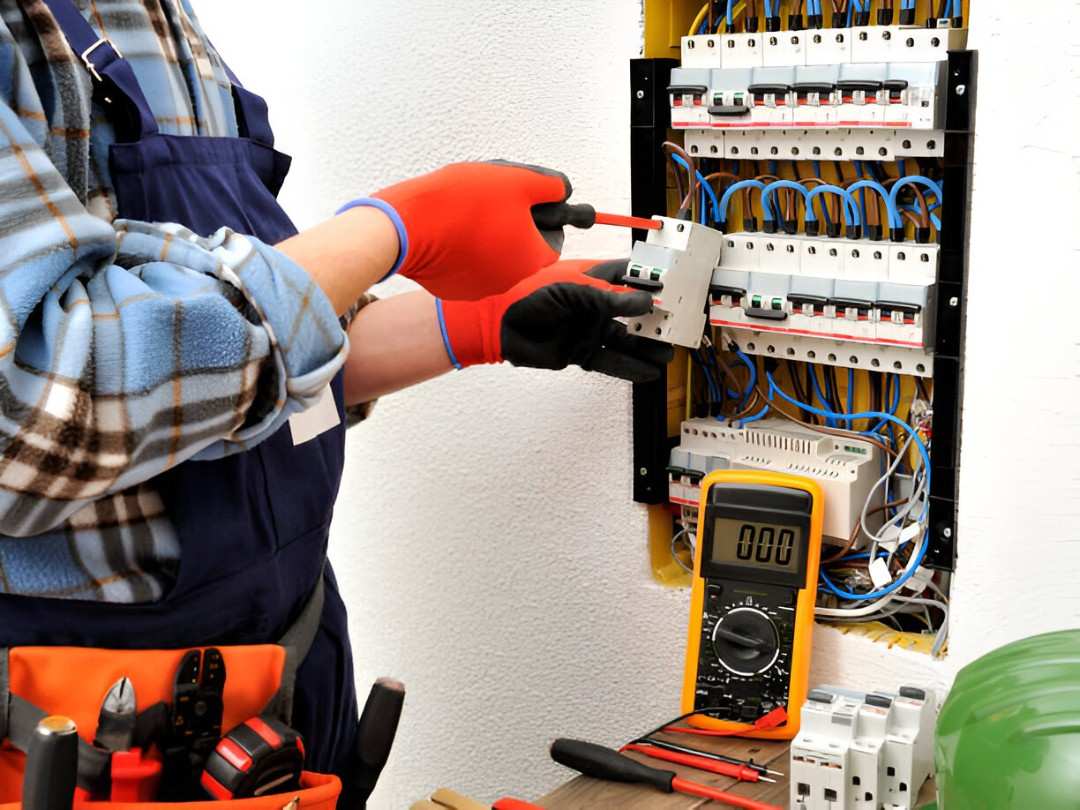
A home’s electrical system is more than wires and switches, it’s the framework that powers comfort, safety, and innovation. At AIF Electrical, we know that outdated wiring or overloaded circuits can lead to safety hazards and inefficiencies. Upgrading your system is not just about convenience; it is about safeguarding your home, ensuring compliance with Australian standards, and preparing for the demands of the future.
Key Takeaways
- Electrical upgrades protect your home from risks
- Signs include frequent trips, flickering lights, and overheating outlets
- Upgrades involve rewiring, switchboards, and circuit expansion
- Compliance with Australian standards is essential
- Future-proofing prepares homes for solar, EVs, and smart tech
Why Upgrade Your Electrical System?
As your home ages, so does its electrical wiring, outlets, and circuit breakers. In older homes, you may notice several issues that signal the need for an upgrade, such as:
- Frequent Circuit Breaker Trips: If you’re constantly resetting circuit breakers or fuses, it’s a sign that your system is overloaded or outdated.
- Flickering Lights: Lights that flicker or dim, especially when using multiple appliances at once, indicate that your electrical system can’t keep up with the demand.
- Outdated Wiring: Older homes may still have knob-and-tube or aluminium wiring, which is inefficient, prone to overheating, and potentially dangerous.
- Insufficient Outlets: If you find yourself constantly using extension cords or power strips to accommodate modern devices, it may be time to install more outlets.
- Expensive Energy Bills: An outdated system could be consuming more energy than necessary. Modernising your electrical system can improve energy efficiency and potentially reduce your energy costs.
The Benefits of Modernising Your Electrical System
- Improved Performance: One of the main reasons for upgrading your electrical system is to handle the demands of modern appliances and technologies. As more and more devices require power, from smart refrigerators to multiple entertainment systems, a modernised electrical setup will ensure your system performs efficiently and reliably.
- Increased Safety: Old or faulty wiring poses serious risks, including electrical fires. By upgrading your system, you’re not only improving performance but also ensuring the safety of your home and family. Newer electrical systems have better safety features like ground fault circuit interrupters (GFCIs) and arc fault circuit interrupters (AFCIs) that prevent dangerous electrical issues.
- Energy Efficiency: With growing concerns about energy consumption, modern electrical systems are designed to be more energy-efficient. Newer wiring, circuit breakers, and appliances often consume less power, helping you save on electricity bills in the long run. Additionally, integrating energy-efficient lighting like LED bulbs and smart thermostats can further lower your energy costs.
- Future-Proofing Your Home: Upgrading your electrical system ensures your home is prepared for future technological advancements. As we continue to rely on smart devices, electric vehicles (EVs), smart technology and solar panels, modern electrical systems are designed to support these innovations without requiring constant upgrades or adjustments.
Key Upgrades for Modernising Your Electrical System
When considering an upgrade, here are some key improvements that will help modernise your home’s electrical system for better performance:
1. Upgrading the Main Service Panel
The service panel, also known as the breaker box, is the heart of your home’s electrical system. If your home is running on a 60-amp panel, it may be time to upgrade to a 100-amp or 200-amp panel to meet your household’s needs. This allows for better distribution of electrical power throughout your home and can prevent overloads.
- Why upgrade?: An outdated panel can’t handle the demand of modern appliances. Upgrading to a larger service panel will provide enough capacity to power air conditioning, home entertainment systems, electric ovens, and more without overloading the system.
2. Rewiring Old Systems
As mentioned, older homes may still have inefficient wiring, such as knob-and-tube wiring or outdated aluminium wiring. These wiring types are less safe and less efficient compared to modern copper wiring. Rewiring your home with copper wires will ensure better conductivity and reduce the risk of overheating.
- Why upgrade?: Over time, older wiring deteriorates and becomes more prone to failure. Rewiring with modern materials will not only increase safety but also improve the overall performance of your electrical system.
3. Installing Additional Outlets and USB Ports
As homes become more reliant on electronics and gadgets, it’s common to run out of outlets. Modern electrical systems can accommodate extra outlets, including those with built-in USB ports, making it easier to charge your devices without using a bunch of adapters or power strips.
- Why upgrade?: Additional outlets reduce clutter and the risk of overloading circuits with power strips. USB ports also eliminate the need for bulky adapters, keeping your living spaces neat.
4. Upgrading Lighting and Switching to LEDs
Lighting is one of the largest consumers of electricity in a home, but you can significantly reduce energy usage by upgrading to energy-efficient LED lights. LED lighting uses less power, lasts longer, and produces less heat than traditional incandescent bulbs. Additionally, consider installing dimmer switches or smart lighting systems that allow for greater control and energy savings.
- Why upgrade?: Not only do LED lights save energy, but they also help create a more comfortable, customisable atmosphere in your home. Smart lighting allows you to adjust brightness and colour temperatures to suit your lifestyle.
5. Smart Home Integration
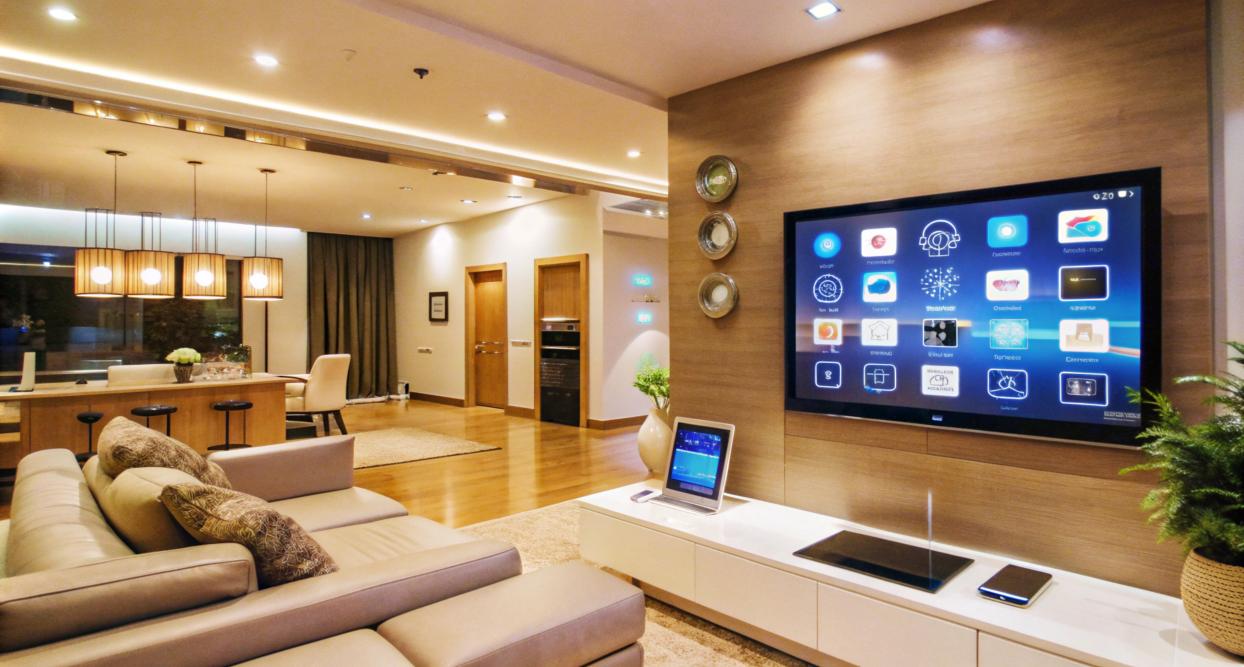
With the rise of smart homes, upgrading your electrical system to accommodate smart devices is an important consideration. This includes integrating home automation systems, smart thermostats, smart lights, security cameras, and even smart appliances. These systems often require dedicated circuits or additional wiring, so your electrical system may need to be enhanced to support them.
- Why upgrade?: Smart devices require a stable and robust electrical system to perform efficiently. Upgrading ensures your home is prepared to support the technology of the future.
6. Electric Vehicle (EV) Charging Stations
As electric vehicles gain popularity, more homeowners are choosing to install EV charging stations at home. To accommodate this, you’ll likely need to upgrade your electrical system to include a dedicated circuit for the charger.
- Why upgrade?: Installing a charging station requires the capacity to handle the extra electrical load. A modern electrical system ensures that your EV can charge safely and quickly, while also preventing overloads.
7. Surge Protection and Circuit Breakers
With extreme weather conditions, power surges from storms or outages are common. Installing whole-house surge protection can safeguard your electronics and appliances from damage due to power fluctuations.
- Why upgrade?: Surge protectors prevent expensive damage to your electronic devices and home appliances. Upgrading your circuit breakers to AFCIs and GFCIs can also enhance safety by detecting faults that could lead to fires or electric shocks.
The Role of Compliance and Safety
Australia has some of the strictest electrical safety regulations in the world. All upgrades should be carried out by licensed professionals to ensure safety and compliance. Non-compliant work can void insurance, reduce property value, and create hazards.
Our team at AIF Electrical follows all regulatory requirements, backed by certifications and audits. We deliver services across residential and commercial projects, including renovations and maintenance.
Hiring a Qualified Electrician
When upgrading your home’s electrical system, always hire a licensed electrician who is experienced in modern electrical upgrades. A professional can evaluate your home’s needs, recommend the right professional services, and ensure the work complies with Australian standards and regulations. Attempting to handle electrical work on your own can be dangerous and may void your home insurance.
Conclusion
Upgrading your home’s electrical system enhances safety, improves efficiency, and adds lasting value. From rewiring to future-proofing with smart technology, every upgrade ensures your home is ready for today and tomorrow. At AIF Electrical, we provide expert services that combine compliance, precision, and reliability. Contact us today to discuss your home upgrade and ensure your property is safe, efficient, and future-ready.